
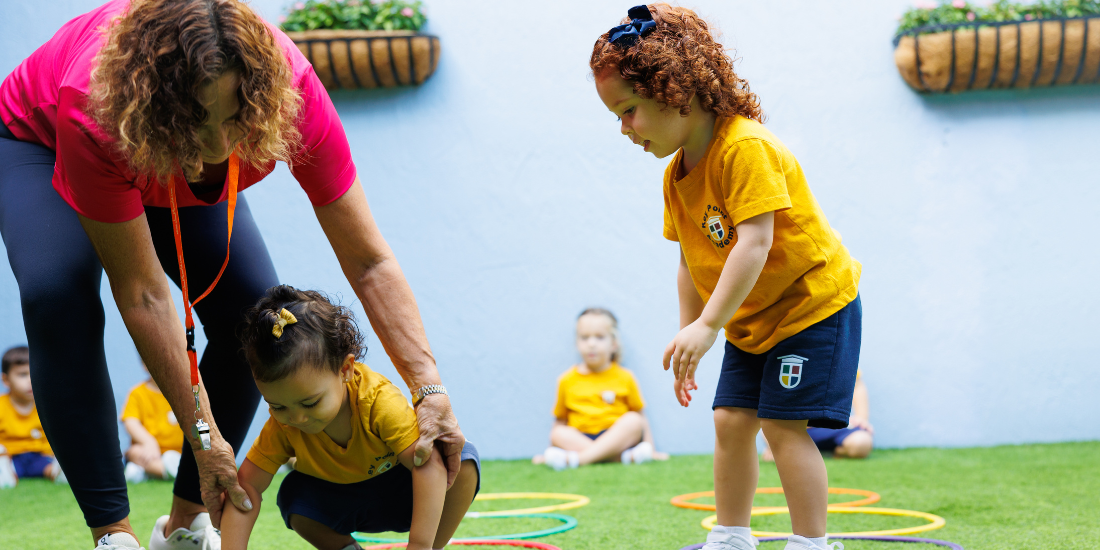
Why Outdoor Play is Essential for Preschoolers
Encouraging preschoolers to engage in outdoor activities is more important than ever. From strengthening physical health to boosting cognitive development, outdoor play offers benefits that are crucial during the formative years. As parents and educators, recognizing the value of outdoor experiences helps shape confident, well-rounded children.
Physical Health Benefits
Outdoor play gives toddlers opportunities to run, jump, and climb—building strength, agility, and endurance. These activities support cardiovascular health, coordination, and overall fitness in ways that indoor play cannot match. Developing these skills early sets the stage for a lifetime of healthy habits. Such physical benefits are vital, especially given that nearly 25% of U.S. schools are private, as highlighted by the Council for American Private Education, emphasizing the need for structured outdoor play regardless of educational setting.
Mental and Emotional Growth
The mental health and emotional benefits of spending time outdoors cannot be overstated. Being outside also reduces stress and anxiety levels, providing a much-needed break from increasingly digital lifestyles. Through exploration and discovery, preschoolers enhance their problem-solving skills and cultivate an appreciation for the world around them.
Social Development
The playground is a natural classroom for learning cooperation, teamwork, and communication. Outdoor play encourages preschoolers to share, take turns, and solve conflicts, skills that are essential for building strong relationships and preparing for future school settings. In an age where there are 34,576 private schools in the U.S., according to the Council for American Private Education, a robust outdoor curriculum can bridge gaps in social readiness for children transferring to public institutions or other educational environments.
Cognitive Growth and Environmental Awareness
Spending time outdoors in gardening-related activities cultivates an early appreciation for nature and environmental stewardship. When preschoolers plant seeds, water gardens, or observe wildlife, they begin to grasp basic ecological concepts like growth cycles and interdependence. Given that nearly 25% of U.S. schools are private, according to the Council for American Private Education, fostering these universal learning experiences outdoors helps ensure all children—regardless of the type of school they attend—enter kindergarten with strong observational and scientific thinking skills.
These early experiences also support cognitive development by encouraging observational skills and hypothesis testing. Asking simple questions like “What will happen if we water this plant more?” helps preschoolers practice prediction, experimentation, and discovery.
Spending time in outdoor activities for toddlers is more than just fun; it lays the groundwork for a healthier, more balanced, and socially adept generation. If you’d like to enroll your little one in a well-rounded program that balances indoor and outdoor play time, contact Key Point Academy Aventura and schedule a tour today.