How Friendships Help Children Develop Social Skills
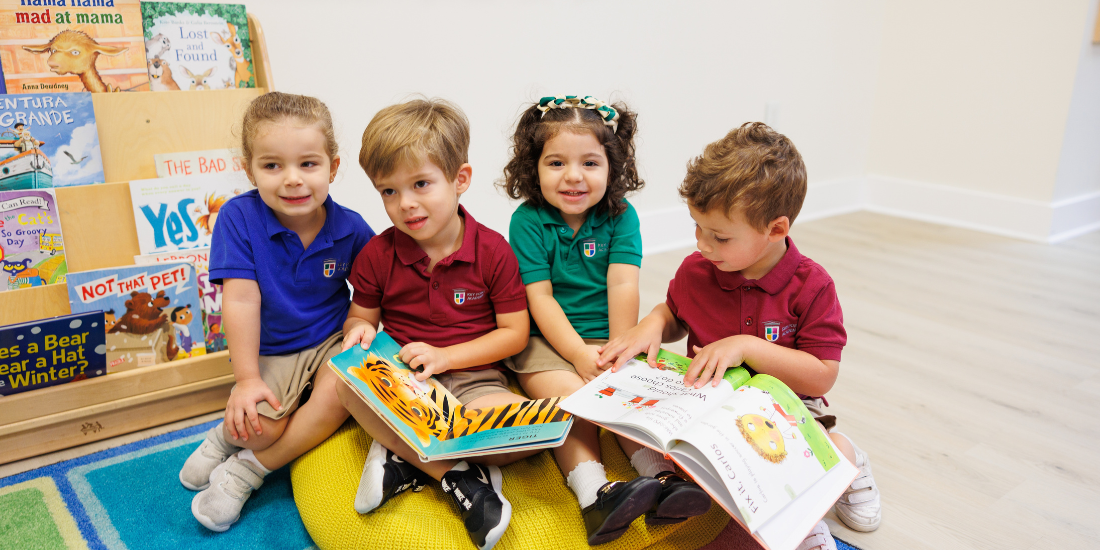
Peer relationships form the cornerstone of emotional growth and childhood socialization. When children interact with friends during early childhood, they learn to navigate complex dynamics that shape their cognitive and emotional development. Through collaborative activities like playing tag or sharing building blocks, children practice communication and cooperation. These positive interactions foster essential skills like turn-taking and mutual respect, which are integral to healthy child development. In this article, we will explore how youth friendships strengthen emotional intelligence, conflict resolution, and lifelong interpersonal skills.
Developing Deep Empathy And Emotional Awareness
Friendship provides a natural environment for practicing empathy and understanding others’ perspectives. As children form close bonds, they begin to recognize feelings outside of their own, which is a pivotal stage in child development. Sharing secrets, comforting a sad friend, or celebrating a classmate’s victory helps youngsters build emotional awareness. This heightened sensitivity allows children to tune into verbal and nonverbal cues, supporting their overall psychological growth and social maturity.
Mastering Essential Conflict Resolution Skills
Disagreements are bound to happen during play, but these moments offer powerful learning opportunities. When peers resolve arguments over rules or shared toys, they learn how to compromise and negotiate without adult intervention. Successfully navigating these minor disputes reinforces critical milestone behaviors in child development, teaching children that healthy relationships can survive temporary friction. Learning to apologize, listen actively, and find middle ground equips children with foundational tools for effective communication.
Boosting Confidence Through School Communities
Social connections forged in educational environments directly influence a young person’s self-esteem and sense of belonging. According to the Council for American Private Education, there are approximately 34,576 private schools across the United States, representing nearly 25% of the nation’s educational institutions. Whether enrolled in public or private learning environments, children thrive when surrounded by supportive peers. Strong friendships boost social confidence, encouraging children to participate in group settings and embrace new challenges throughout their child development journey.
Nurturing Lifelong Success Beyond Childhood
The interpersonal abilities acquired through early friendships extend far beyond the playground. Understanding social norms, expressing needs clearly, and demonstrating kindness are core competencies in child development. As youngsters grow into adolescence and adulthood, these early experiences enable them to form strong professional networks and personal relationships. Encouraging healthy peer interactions during early child development ensures that children build a solid foundation for lifelong emotional resilience.
Friendships play an indispensable role in shaping a child’s social intelligence, emotional health, and overall well-being. By engaging with peers, children master empathy, communication, and problem-solving skills that serve them for a lifetime. Prioritizing opportunities for your child to make friends is one of the most effective ways to nurture their holistic growth. Help your child build strong social connections today by enrolling them in Key Point Academy Aventura!