
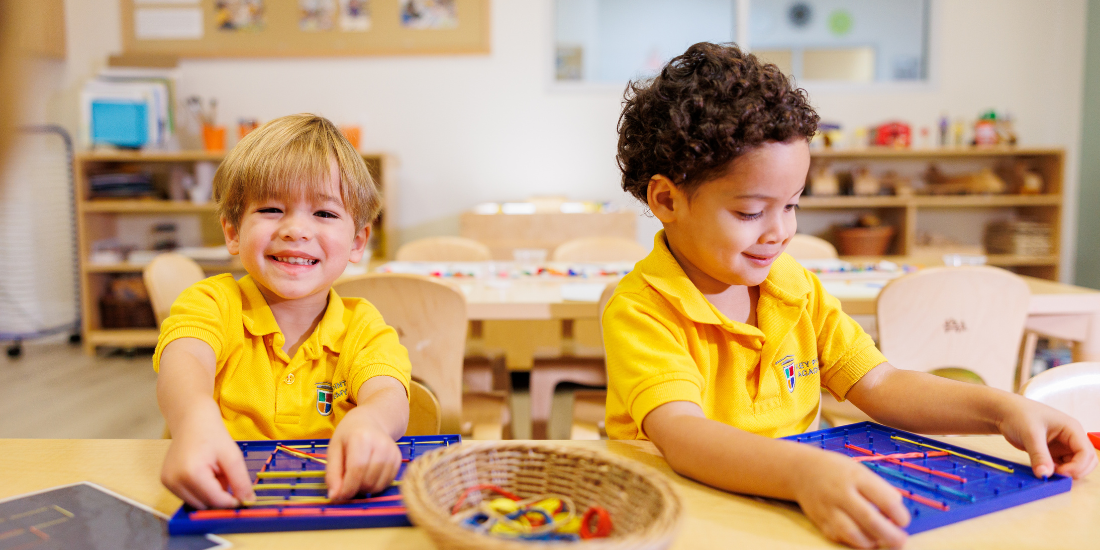
How Preschool Shapes Early Child Development
Child development is a critical period that lays the foundation for future success, making the role of early education paramount in shaping cognitive, social, and emotional well-being. Preschool, often a child’s first structured educational experience, offers numerous benefits that are crucial during these formative years. This blog delves into the profound impact preschool has on young learners, highlighting the importance of investing in early education to foster positive growth.
Preschool Supports Early Cognitive and Brain Development
Research indicates that the preschool years are a time of rapid brain growth, with little ones developing crucial cognitive and social skills. According to Gitnux, 75% of brain development occurs before age five, emphasizing the importance of early childhood education. During preschool, young learners engage in activities that enhance language, memory, and problem-solving skills. These experiences not only prepare them for future academic challenges but also promote a love for learning that can last a lifetime.
Early Interaction Strengthens Social and Emotional Skills
Preschool also plays a key role in social and emotional development. In a classroom setting, young children learn how to interact with peers, practice sharing, take turns, and develop empathy. These daily interactions help children build meaningful relationships and learn how to navigate group settings with confidence. In addition, preschool provides a supportive environment where children begin to recognize, express, and manage their emotions in healthy and constructive ways, laying the foundation for strong emotional intelligence.
Preschool Encourages Physical Development and Healthy Routines
In addition to cognitive and social growth, preschool supports physical development through a variety of structured and play-based activities that build coordination and motor skills. Whether through outdoor play, movement activities, or creative arts, children strengthen both fine and gross motor abilities.
The structured nature of preschool also helps establish consistent routines, encouraging positive habits, self-discipline, and a balanced daily rhythm that supports overall well-being. The impact of preschool on child development is both broad and lasting. It fosters growth across cognitive, social, emotional, and physical domains while also nurturing curiosity and a love for learning. By recognizing the importance of these early years, parents and educators can better support children in building a strong foundation for lifelong success. Visit us at Key Point Academy Aventura to learn more about our preschool program and approach to early learning.