The Role of Play-Based Learning in Early Childhood Education
In recent years, play-based learning has gained significant attention as an effective approach in early childhood education, specifically in preschools. This method focuses on allowing little ones to explore, experiment, and engage in educational activities through play. Play-based learning actively supports cognitive, social, and emotional development while providing a strong foundation for lifelong learning. Let’s delve into why this approach is transformative for young learners.
Building Social Skills Through Cooperative Play
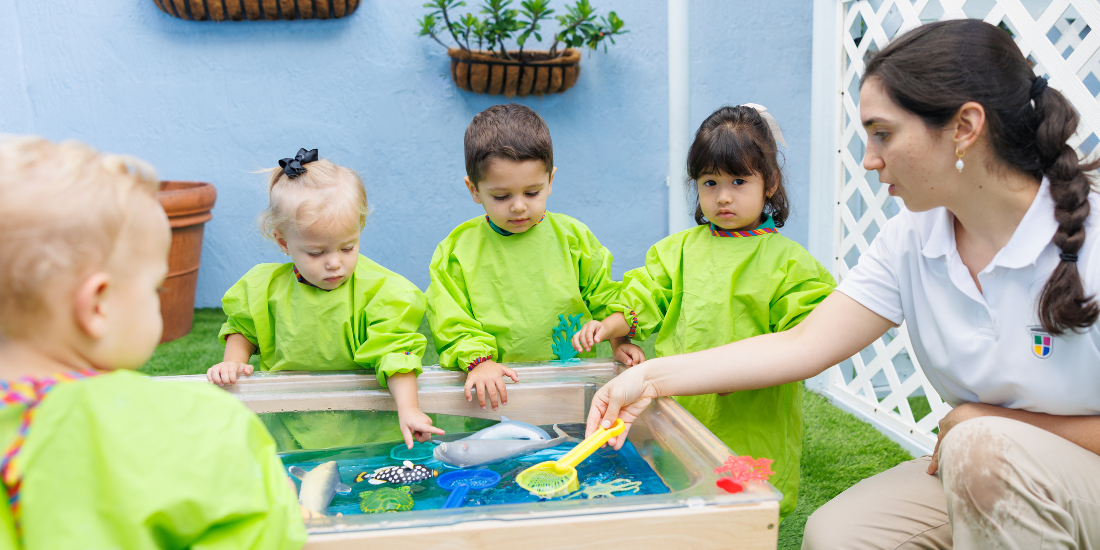
One of the core benefits of play-based learning in preschools is its ability to stimulate essential social skills in children. Through group activities and cooperative play, young learners learn to communicate, collaborate, and resolve conflicts. These interactions are crucial in helping young learners develop empathy and a sense of teamwork. This approach encourages little ones to understand their role in a community setting, promoting healthy social development.
Encouraging Cognitive Growth and Problem-Solving
Cognitive development is another significant advantage of play-based learning in preschools. Children learn best when they are engaged and motivated, and play provides the perfect environment for this. It allows children to think critically, solve problems, and explore new concepts at their own pace. The federal government’s investment of about $37 billion annually in early childhood programs, according to NPR, underscores the importance of nurturing cognitive skills from a young age. This funding facilitates play-based learning opportunities that equip little ones for future academic and life success.
Strengthening Emotional Development Through Play
Moreover, play-based learning supports emotional development in young learners. It provides a safe space for them to express their feelings and learn to manage them effectively. By engaging in imaginative play, children can work through emotions and gain a better understanding of themselves and others. This emotional intelligence is a vital aspect of a child’s overall development and well-being. Encouraging emotional growth through play helps young learners build resilience and adaptability, preparing them for various life challenges.
Play-based learning is a powerful tool in early childhood education that significantly impacts a child’s social, cognitive, and emotional development. By prioritizing play in educational settings, educators can create more dynamic and engaging experiences that promote holistic learning. As we continue to invest in early childhood programs, the benefits of play-based learning will contribute to preparing little ones for a successful future, laying the groundwork for lifelong learning and personal growth. Looking for preschools for your little one? Call us today at Key Point Academy Aventura!