
When to Start Preschool: A Parent’s Guide to Choosing the Right Time and Program
Choosing the right time and environment for your child to start preschool is a crucial decision for families. As awareness of the value of early childhood education continues to grow, many parents seek guidance on when to enroll their child in preschool and what factors to consider when selecting a program. This guide for parents offers practical insights into the benefits of preschool, key timing considerations, and helpful tips for choosing the right setting to support your child’s early learning and long-term success.
Determining the Right Age
Starting preschool at the right age plays an important role in supporting a child’s developmental milestones. As a general guide for parents, it’s helpful to know that most children begin preschool between the ages of two and three, a key stage for social, emotional, and cognitive growth, while some may start a toddler program as early as age one. Beginning early childhood education during this period can help children adjust to structured routines, build social skills, and develop foundational learning habits. That said, the ideal starting age may vary based on each child’s and family’s individual needs.
Evaluating Preschool Programs and Learning Environments
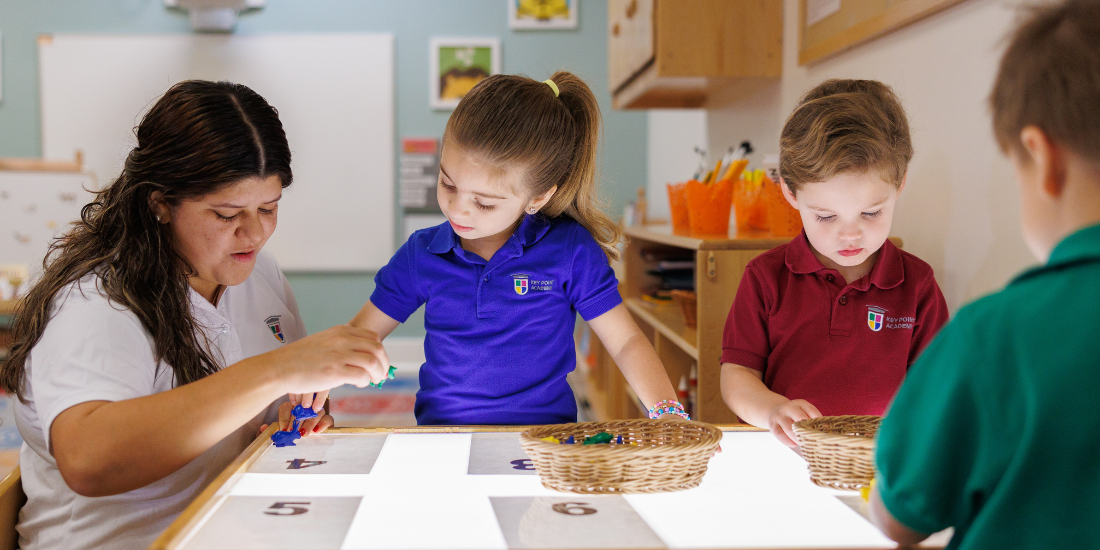
The choice of preschool plays a significant role in a young learner’s early educational experience, with the best facilities offering supportive environments that nurture learning and growth. When selecting a preschool, parents should look for programs that emphasize child-centered, play-based learning, which is effective in enhancing early childhood development. According to Gitnux, children who attend preschool are 25% more likely to graduate high school, highlighting the long-term benefits of quality early childhood education.
Considering Location, Accessibility, and Classroom Support
Another critical factor in this guide for parents is the location and accessibility of the preschool. Accessibility is not only about proximity to home but also about the availability of resources that support diverse learning needs. Preschools with small student-to-teacher ratios and well-qualified staff can offer individualized attention that fosters a child’s specific talents and addresses their unique needs. A convenient location also promotes parent involvement, contributing positively to their little one’s educational outcomes.
Deciding when and where to start preschool requires thoughtful consideration of your child’s needs and your family’s circumstances. By choosing the right time and investing in a quality preschool, you are laying a strong foundation for your young learner’s academic and social success. Remember that early childhood education is not just about academics; it is about nurturing a lifelong love for learning and providing the skills necessary to thrive in future schooling. Book your tour at Key Point Academy Aventura today and discover how our programs set children up for early success.